How to Configure PHP-FPM for Reliable, High-Performance WordPress Hosting

PHP-FPM is the process manager that actually executes your WordPress PHP code. Every page load, AJAX request, cron job, and WooCommerce checkout step passes through PHP-FPM. When it is misconfigured, you see slow TTFB, random 502/504 errors, “PHP workers exhausted”, or a backend that feels painfully sluggish. This guide explains how PHP-FPM works, how to … Read more

How to Configure a Stable and Secure WordPress Server

How to Configure a Stable and Secure WordPress Server A stable WordPress server doesn’t happen by accident. It comes from deliberate technical choices, correct configuration, and an ecosystem where every component works in balance. Most issues I see every week—500 errors, MySQL crashes, high CPU usage, slow pages—are not caused by WordPress itself. They come … Read more

Server & Hosting: The Hidden Limits Slowing Down Your WordPress Site

Isometric server infrastructure showing CPU and data flow to illustrate WordPress hosting limits

When your site slows down or becomes unstable, the real cause is often hidden inside your server hosting WordPress environment. Even when your hosting dashboard shows everything as “OK”, your server may be struggling with CPU spikes, I/O latency or PHP-FPM limits that silently degrade performance. In this guide, you’ll discover: the hidden server performance … Read more

How to Read WordPress Error Logs: Complete Technical Guide

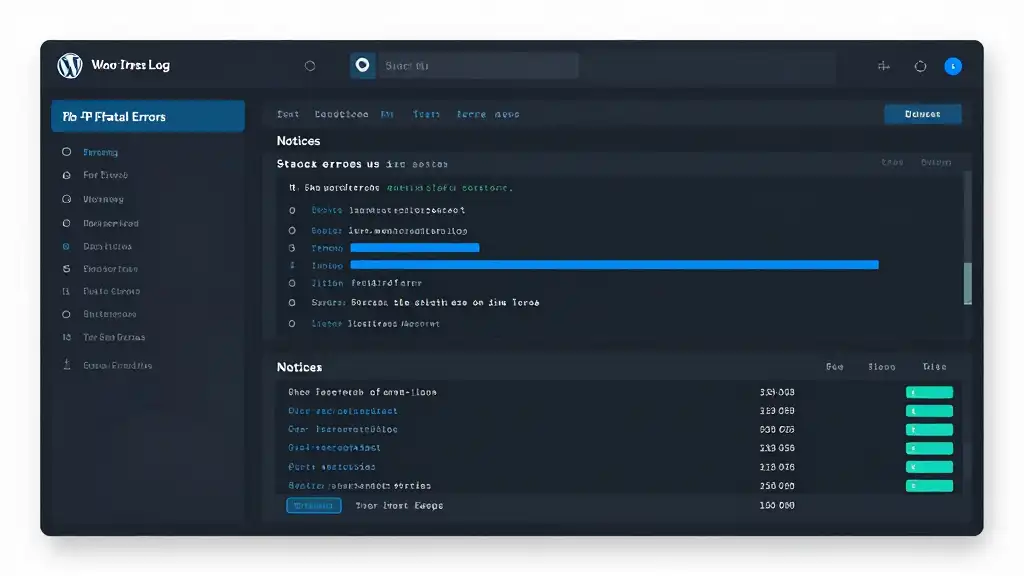
WordPress error log analysis dashboard showing PHP errors, warnings and stack traces

Learning how to read WordPress error logs is the difference between guessing and doing real technical troubleshooting. When a WordPress site breaks, the logs reveal the real cause behind white screens, 500 errors, broken checkouts, or login loops. This guide shows you how to find, enable, and interpret WordPress and server logs so you can … Read more

WordPress Performance Optimization: Complete Technical Guide

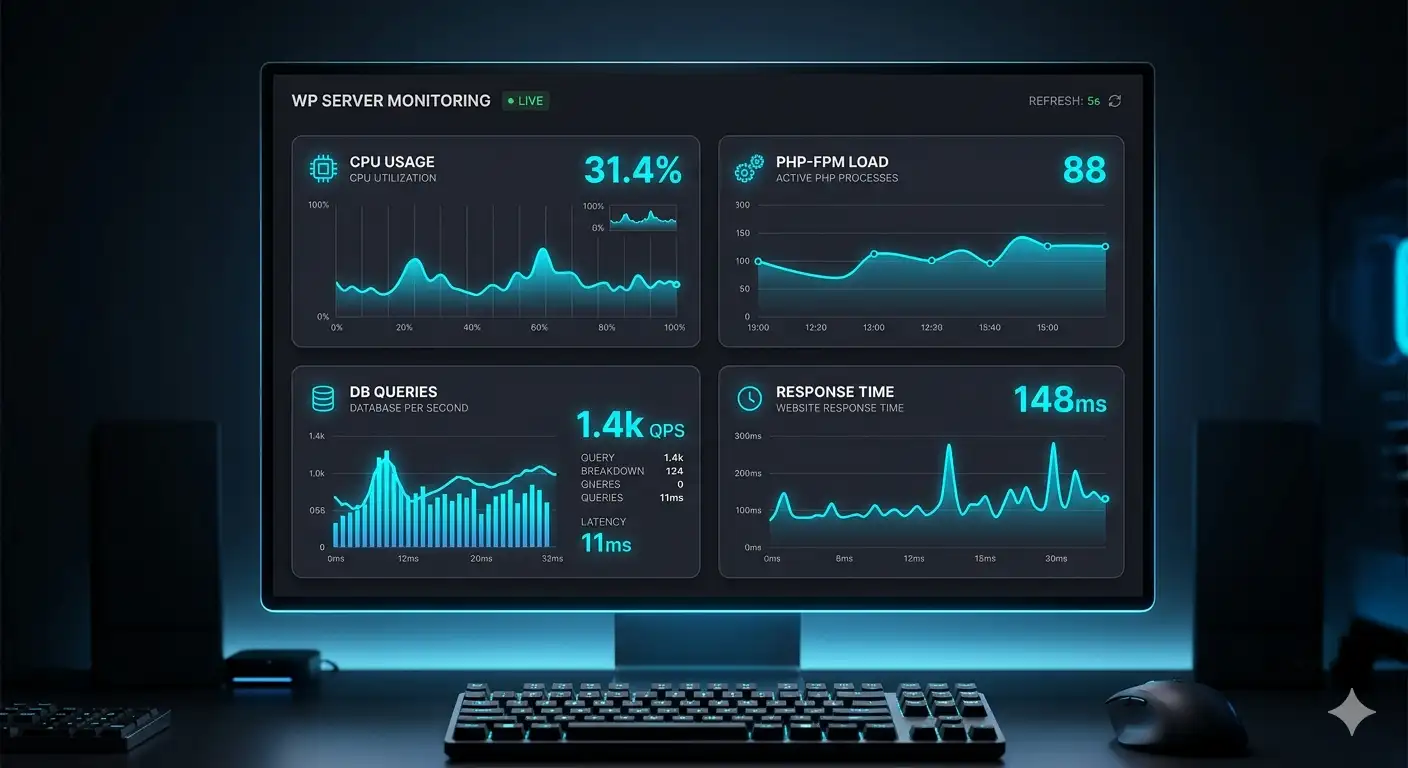
WordPress performance optimization dashboard with CPU, PHP-FPM, database and response time metrics

WordPress performance optimization is not just about caching plugins or minifying CSS. Real performance comes from server‑level improvements such as PHP‑FPM tuning, database optimization, TTFB reduction, caching layers, and network latency control. This guide explains a complete, technical workflow used in high‑traffic and enterprise environments. 1. Understanding WordPress Performance Bottlenecks Before optimizing, it’s essential to … Read more